みなさんは熟女との出会い、そしてセックスを体験したことはありますか?
「熟女とセックスするのは無理」
「熟女よりも若い子がいい」
「経験が豊富な女性は口説きにくいのではないか?」
「浮気・不倫にならないか?」
と消極的なイメージがあるかもしれません。
あるいは逆に
「包容力があって魅力的」
「男の喜ばせ方を知っていそう」
「気持ち良さそう」
など前向きなイメージを持つ人もいます。
実際に出会ってみてどうだったかというと、「最高」の一言でした!
10代後半~20代前半の若い子もフレッシュさがあって魅力的ですが、熟女には熟女にしかない独自の魅力があることを今回のセックスで知りました。
いろんな男性とのセックスを経験してきた、という積み重ねを感じさせる凄腕のテクニシャンです。
おかげで熟女に対するイメージや偏見がいい意味で破壊され、また新しいセックスの快楽を知ることができました。
そこで本記事では熟女と確実に出会うための方法と、実際に会ってセックスした時の体験談を具体的に紹介します。
これから熟女と会いたい男性や熟女の魅力を知りたい男性は是非チェックしてみてください!
エロい熟女と出会える現実的な方法
まず「どのようにして経験が豊富なエロい熟女と出会えばいいのか?」ですが、その方法はいろいろあります。
最も安全かつ確実に会えるのはやはり「出会い系サイト」を使うことであり、中でも「PCMAX」はおすすめです。
いわゆる「サクラ」や「冷やかし」がいない優良の出会い系サイトであり、セックス目的の熟女も少なからずいます。
出会い系に不慣れな男性でも出会える確率が高いですし、むしろ女性慣れしていない男性の方が熟女からの好感度は高いでしょう。
ただし、「PCMAX」を利用する際には無料登録後に即3,000円~10,000円分のポイントを購入し、いつでも会えるように準備しておいてください。
初期投資として高めに思えるかもしれませんが、ここで費用を惜しんでしまうと熟女とのいい出会いは実現しません。
また、もう1つ注意すべきなのはネットにごまんとある怪しげな出会い系の掲示板やアプリの使用を避けることです。
そういう怪しい掲示板やアプリを使ってもエロい熟女とは会えないだけではなく、美人局やサクラなどの詐欺被害に遭うことも珍しくありません。
因みに出会い系サイトで熟女と会う現実的な方法はこちらの記事でも詳細に解説していますので是非ご覧ください。
本項ではネットの出会い系サイトも含めて熟女と確実に出会う方法を全て紹介します。
出会いの方法は1つではないので「出会い系サイトよりもこっちの方がいい」という人は他の方法を優先するのもありでしょう。
熟女出会いで一般的に使われている場所とは?
熟女との出会いというと、どういう場所を具体的に想像するでしょうか?
- 仕事で知り合う
- カルチャースクールやスポーツジムなどで会う
- 熟女の風俗やBARなどの「夜の街」で出会う
- ボランティアなどのソーシャルイベントで知り合う
- 友人や知人の紹介で出会う
- 出会い系サイトやマッチングアプリで会う
大体この辺りが挙げられますが、普通の方法で熟女と出会おうとする場合、何かしらのきっかけがないと出会う機会はなかなかないでしょう。
また、熟女と呼ばれる女性たちは人生経験や恋愛経験も豊富なので、月並みの口説き文句では男女の関係に発展などしません。
特に子持ちの主婦の多くは世間体を気にしており、刺激を求めて外に出てもなかなか深い交流に発展できない方も多いのです。
フリーの独身女性はまた別ですが、普通の方法で「熟女」と呼ばれる女性の方と関係性を築くのは簡単では難しいでしょう。
職場・パート先で熟女と出会う
まず1つ目が職場やパート先など仕事を通じて熟女と出会うという方法です。
パートで働いている主婦の方などは夫に対して不満や寂しさを抱えていることも少なくありません。
そういう女性と仲良くなると、リアルな夫婦の事情や結婚生活を知れるので、場合によっては飲み友・飲み仲間になることもあります。
仲良くなるコツは聞き役に徹し、時に繰り返しながら話を聞いて共感してあげることです。
ほんの少し悩みを聞くだけでも、女性側の心の負担はとても軽くなるので、実践してみてください。
実際にセックスするまで時間は多少かかりますが、焦らずじっくり関係性を積み重ねていけば男女の関係になることも可能です。
仕事を通じてお互いの人間性を理解してからセックスするので、性格上のミスマッチを防げるのですが、大きなリスクも当然あります。
それは職場の浮気・不倫が即座に噂になりやすく、バレた時が危ないということです。
最悪の場合、慰謝料請求や解雇処分などの民事訴訟に発展し、お互いの経歴に傷がつく可能性があります。
特に今はネット社会であり、どこで誰が見ているかもわからないので、バレるとすぐに情報が拡散され炎上は避けられません。
そういったリスクを回避するためにも、職場とプライベートのけじめのつけ方やデートの立ち居振る舞いに十分気をつけてください。
BAR・立ち飲み屋で熟女と出会う
女性は30代~40代にかけて1人で行動する機会も増え、BARや立ち飲み屋などのような「お酒」の場に来ることがよくあります。
飲みに来る女性は心の奥底で男性との出会いを求めており、たまたま相席した男性と意気投合することも少なくありません。
何より「お酒」の力があるので、話の流れや酔い方次第で出会ってすぐ男女の関係に発展する可能性も高まります。
しかし、飲みを通じて男女の関係に至る場合もリスクは当然ありますので気をつけてください。
酔いすぎて分別をなくし襲いかかり、障害沙汰や詐欺被害といった民事・刑事問題に発展することも少なくありません。
また、いい雰囲気になったからといってがっついて誘うのもNGです。
下心が見えてしまうと、女性に警戒され失敗してしまいます。
「酒は飲んでも飲まれるな」という言葉があるように、飲み過ぎず女性側から誘ってきてOKサインが出るまで粘り強く待ちましょう。
もしそこでセックスに至らなかった場合は縁がなかったと思って諦め、潔く次の熟女を探してください。
男女の出会いは「運」と「縁」が大きく関わるので、最初は上手く行かなくても諦めずに続けることが大事です。
習い事で熟女と出会う
料理教室や生け花、フィットネスなどさまざまな習い事でスキルを磨いている主婦や独身女性もたくさんいます。
習い事で出会うメリットは「共通の趣味」で出会っていることであり、自然に共通の話題も生まれて打ち解けやすいはずです。
さらに男女の関係を抜きにしても、自分とは違う価値観や物の見方、考え方を知り学べるので視野が広くなります。
しかし、周囲には他の会員の方も居ることが多く、職場恋愛同様に浮気・不倫のうわさはすぐに広がるので気をつけましょう。
また、習い事の場合、男女の比率も大きな問題であり、男性か女性のどちらかが多過ぎると、男女の関係性を築きにくくなります。
なるべく男女比が半々か男性:女性=6:4位のバランスの方が女性と仲良くなり、発展しやすいでしょう。
そして、習い事のジャンルによっても、熟女との出会いが期待できるところとそうでないところがあります。
ヨガや英会話スクール、スイミングスクールなど趣味感覚の習い事はオープンな雰囲気なので、女性とも打ち解けやすく恋愛に発展する可能性があります。
逆に本格的な資格取得のためのコミュニティや格闘技系のスポーツジムなどの場合は恋愛に発展する可能性は低いと見ていいでしょう。
出会い系サイトで熟女と出会う
上記の方法はいずれも「浮気・不倫が周囲にバレしやすい」「男女の関係になかなか発展しにくい」というデメリットがあります。
そういうリスクを回避して確実に熟女と出会い、すぐにセフレに発展したい場合は「出会い系サイト」を使うことをお勧めします。
とくに「PCMAX」など大手の優良出会い系サイトは業者やサクラもほとんどいない上、女性からのメールの返信率もとても高いのです。
お互いの身分や個人情報を隠した状態で出会えるため、出会う時間帯や場所などに気をつければ浮気・不倫がバレることはほとんどありません。
万が一バレかけたとしても、セキュリティ対策さえ万全に行っておけば未然に防げるので安心してください。
確実に熟女に出会うコツはとにかく「丁寧かつ迅速な対応」を心がけて、焦らずに対応することです。
メールアドレスやLINE、カカオなどに移行する時も女性側から求められた時に行うようにしましょう。
また、メールで仲良くなっても実際に出会うまで女性の人となりは判断できないので、ある程度の警戒心と緊張感を持って対応してください。
その上でリスクをあげるとすれば初期投資の費用であり、メールのやり取りで出会うまでに3,000円~10,000円分のポイントは購入しておきましょう。
一見高いようですが、たった数千円で熟女と最高のセックスができると思えば、十分なリターンが得られるのでローリスクハイリターンです。
出会い系サイトは「大人の男女」の関係であって子供の遊びではないので、いいものを得ようとするなら相応の対価は必要になります。
“No pain, no gain.”(痛みなくして得るものなし)ということわざがあるように、お金と時間という痛みを伴うことで最高の体験ができるのです。
出会い系サイトの熟女と出会った体験談
さて、ここからは実際に私が「PCMAX」を通して出会ったある熟女との体験談を紹介します。
PCMAXを使用していたある日のこと、「さゆり」と名乗る46歳の熟女からイイネが押されていました。
年齢的に一回り上の女性との経験はなかったので戸惑いましたが、これはいい体験になるかもしれないと興味が湧いてきたのです。
プロフィールを見てみると、文章も柔らかく真面目そうな印象を受けますが、自撮りの画像が明るすぎて顔がはっきりと見えません。
しかし、この機会に好評価をもらったので、これも何かの縁だと思ってメールしてみたところ、とても早い段階でLINEを交換しました。
LINEで話してみた印象は真面目で温かく、男女の関係を抜きに人としてとても誠実な方という感じです。
返信が早いこともあり、LINEを交換してたった数日でさゆりさんとディナーへ行くことになりました。
この段階ではまだセックスの「セ」の字も出ておらず、男女というよりは「知り合い」「友達」のような感じです。
ここでのポイントは「優しく丁寧に接する」ことであり、女性の話をきちんと聞いて丁寧に返信すれば出会える確率は上がります。
また、出会うまでは男女の関係やセックスを匂わせる言葉を使わないようにすることも大切です。
もしここで勝負を焦って私の方から「セックスしませんか?」などと誘っていたら、失敗していたでしょう。
人は第一印象で8・9割が決まるといいます。
最初の段階では「優しい人だな」「この人に会ってみたい」と思わせることが肝心です。
出会い系の熟女とデートすると、逆に口説かれたw
出会い系サイトを通じて若い女の子とは沢山出会ってきたので、それなりに慣れたつもりでいました。
しかし今まで熟女とは出会ったことがなかったので、一体どんな女性の方と出会うのだろうと久々にドキドキしたものです。
実際に出会ってみると、さゆりさんはプロフィールで見るよりもずっと魅力的で、芸能人と見紛う程の綺麗な女性でした。
服装やメイクもとてもこだわっていることがわかり、見る人によってはセレブかと思う程の豪華さを醸し出しています。
見た目の雰囲気に圧倒され気後れしてしまったのですが、こちらの雰囲気を察してくれたのか優しくほほえんでくれて、緊張が少しほぐれました。
そんな女性とのディナーともなると大衆向けの居酒屋やファミレスではなく、やや高級感の漂うBARでのぜいたくな食事となりました。
40代後半の女性との会話自体が初めてなので、食事中はどんな話題を出せばいいのかわかず、対応に困ります。
そんな私の気持ちをくんでくれたのか、さゆりさんの方から話しやすいように話題を次々と振ってくれ、とても助かりました。
とにかくコミュニケーション力と包容力がとても高く、気がつけば自然にさゆりさんに主導権を握られていたのです。
こちらが返事に困らないように常に言葉をかけてくれますし、注文なども「私に任せて」と率先して決めてくれます。
とても自然な大人の気遣い・気配りに感心しました。
若い女の子との食事も明るく楽しいのですが、熟女との食事はまた違った大人の魅力があるものです。
出された料理もお酒も一段と美味しく、どこか上品な大人の味わいに感じられ、とても新鮮な体験をしました。
お酒の力もあってお互いにいい感じに酔ってきた頃、なんとさゆりさんは私に積極的にアプローチし、太ももを優しく撫でてきます。
もはや「大胆」とか「積極的」とかいうレベルではなく、「官能的」とでもいうべき男を求める女の顔が出てきたのです。
すると何と、さゆりさんの方からセックスの誘いが来ました!
若い女の子の「じゃあ、エッチしようよ!」という明るく無邪気な感じではなく、「ねえ…しましょう?」という艶やかな誘い方です。
しかも余計な小細工もなくストレートに誘惑してくるので、その感覚がとても新鮮で、気がつけば二つ返事でOKしていました。
若い女の子の場合はこちらから誘うことがほとんどだったので、毎回向こうから誘ってきてくれればなあと心の底で思っていたものです。
そんな夢のような誘いが来るとは思わず、気がつけば私の息子はこの時点でガチガチに硬くなっていました。
彼女もそれを見越した上で「ふふ、オッケーみたいね」と股間に手を伸ばし、妖艶な笑みを向けてきます。
ここまでわかりやすい据え膳を出されて食わない奴は男じゃない!理性ではなく本能でそう感じ取ったのです。
一度やると決まってしまえば話は早く、会計を済ませてラブホテルへ直行するしかありません。
終電までには事を済ませたかったので会計を早く済ませようとすると、何とさゆりさんが全て支払ってくれたのです。
徹頭徹尾、若い男性に余計な気を遣わせまいという自然な彼女の気遣いに深く感謝しました。
出会った熟女のセックスが獣のように凄かった件
ダイニングBARを出た後は熟女と手を繋ぎながらラブホテルへと向かいますが、この時の雰囲気もまたいつもと違います。
若い女の子の場合は「フレッシュ」「ピュア」という言葉が似合うような、どこか子供っぽいあどけなさの残る雰囲気です。
一方で今回のさゆりさんは酸いも甘いも噛み分けた「大人の愛」、すなわち男女のイロハを知り尽くした妖艶な大人の色気を醸し出しています。
例えるならば前者が「恋人」で後者が「愛人」なのですが、もう手を握って一緒に歩くだけでもエロい大人の色気がムンムン漂ってくるのです。
ホテルに入ってもすぐにセックスへ突入するのではなく、とても扇情的な「雄」の本能を強く刺激してくるエロい雑談を仕掛けてきます。
その顔はもはや「女」というよりは「雌」という感じで、目の前の獲物に食いつかんと鋭い眼光と闘争本能で睨み据える「獣」でした。
若い女の子にはない、熟女ならではの巧妙な戦略に基づく会話術に引き込まれ、セックスの段になるといよいよさゆりさんが服を脱ぎます。
「さあ、シャワーを浴びましょう」と誘う彼女に逆らえず一緒に浴室へ入り、生まれたままの姿でベッドイン!
動画撮影などは都合により不可能だったのですが、本番は「セックス」というよりも「バトル」という言葉が似合う激しいものでした。
まずはディープキスから首筋を伝って乳首をいやらしく舐め回しますが、全てを吸い尽くさんとするその舌の動きはもはや別の生き物です。
次にチンコ、キンタマを舐めていくのですが、「丁寧」というよりは「ねちっこい」という感じで、強烈な快感が全身を襲います。
骨の髄までしゃぶり尽くすような彼女の前戯はとても刺激的で、気が付けばこちらも大量の我慢汁を出し受け身になっていました。
「いくわね……!」とM字開脚でまたがる姿にも迫力があり、ガチガチのフル勃起状態のチンコを濡れたマンコが容赦なく吸い込みます。
その吸い込みの深さと締まりのきつさに思わず「うああー!!」と叫んでしまい、完全に溶け合っていて感覚がもはやありません。
艶っぽく微笑み「いい?動くわよ……!」と言う時の圧が凄く、そこには「は、はい」としか言えなくなっている自分がいました。
高速騎乗位で「ああーッ!!」と叫ぶ時の声、顔、そして動きも完全な「雌」であり、大量の汗と愛液を流しながら快楽に誘ってくれるのです。
しかもただ腰を振るだけではなく、上下に前後、右左と変化をつけ、さらに簡単に射精しないよう止めたりゆっくり振ったりして快楽を持続させます。
正に身も心も全てが一体となった極上のセックス!
そんな彼女の欲望に応えようと、気がつけば私も全力で腰を振っており、決して馬鹿にすることなく「ああん!すごくいいわよ!!」と全力で感じてくれました。
空前絶後といっても過言ではない快楽に身を任せ、思わず外に出しそうです。
気がつけば、顔を歪めて「ヤバイ!で、出そう……!」と口にしていました。
しかし、彼女は「いいわよ、今日は安全日だから中にいっぱい出して!!」とさらにきつく締め付け飲み込んできます。
そんな彼女の好意に甘えて大量の生中出し!気持ちよく全てを出し切った後、私に覆い被さり息を切らしながら、事後の余韻を楽しみます。
初めての熟女とかつてない最高のセックスを堪能できました。
熟女と出会ってセックスする方法まとめ
本記事で紹介した熟女の方は40代後半の方でしたが、ルックスもボディラインも、そしてテクニックも若い女性に引けを取りません。
熟女というと体がたるんでいたり加齢臭があったりというイメージを持たれがちですが、今回の女性はそういうイメージとは無縁の方でした。
若さやフレッシュさ、初々しさが魅力の10代~20代までの女性とはまるで異なる魅力を持つのが30代以降の女性なのだと学びました。
色気たっぷりの女性としての包容力の中に隠し持つ、飢えた獣の如き「雌」の本能を剥き出しにしてのセックスは最高です。
そういう熟女はアダルトビデオや風俗にしか存在しないと思われがちですが、表に出ていないだけで実際は多数存在しています。
そんなエロい熟女と確実に会うためには出会い系サイトを使うのがベストです。
若い女の子は自信がある子が多いからなのか、返信が来ないこともしょっちゅうあり、出会うまでがなかなか大変です。
しかし、熟女の場合は性欲が高くセックス目的での募集も多いので、メールマナーをきちんと守れば出会うまでにさほど苦労しません。
実際TwitterやInstagramなどでも熟女と出会い系サイトで会ってセックスした男性から多くの反響があります。
以下の方法を確実に実践すれば、熟女とのセックスは簡単なので実践してみてください。
- PCMAXその他の優良出会い系サイトに無料登録し、ログインする
- ログインを済ませたら、すぐに3,000円~10,000円分のポイントを購入する
- 30代~40代の女性を検索して、メールを送ってみる
- 誠実な返信を心がけ、仲良くなってデートにこぎつける
特に大事なのは2と4であり、2に関しては繰り返しになりますが、初期投資としてメールのやり取りをするためのポイントがなければ誰にも会えません。
また、30代以上の熟女は真面目で誠実な男性を好む傾向が強く、礼儀のなっていない男性やチャラ男などは高確率で除外されます。
あくまでも「大人の出会い」なので、人として最低限の礼儀礼節を弁えて接することを心がけましょう。
出会える熟女の数や出会うまでのやり取りの長さは地域や時間帯などでも異なり、即日で会えることもあれば4、5日などの場合もあります。
とにかく大事なのは「諦めないこと」、すなわち出会えるまでアプローチし続けることです。
営業と同じで「断られて終わり」ではなく「断られてからがスタート」であり、最初は上手く行かなくても数回続ければコツが掴めてきます。
熟女好き、あるいは試しに熟女とセックスしてみたいという方は是非とも出会い系サイトを使って熟女と出会ってみてください。
若い女の子では決して味わうことのできない成熟した大人の女性との貴重なエロい体験が得られますよ。
出会い系サイトなら効率よく手軽に熟女と出会える!
熟女と確実に出会い、男女の関係になりたいという方にオススメなのが「出会い系サイト」を利用して会うことです。
出会い系サイトというと、実態をよく知らない人は「詐欺」「サクラ」「業者」といった怪しいイメージがあるかもしれません。
もちろんネットにはその手の怪しい募集掲示板やサイトがごまんとありますが、良質な出会い系サイトもちゃんとあります。
優良な出会い系サイトは女性だと無料で利用できますし、男性も利用ポイント分を払って選別すれば最短ルートで熟女に出会えるのです。
出会う目的も出会える人も多種多様なので、プロフィールをきちんと読めば自分の目的に合致する女性と出会う確率が高くなります。
習い事や仕事、知人の紹介と違って本名や住所などの個人情報を詳細に明かさなくても良いので、人間関係のトラブルがほとんどありません。
熟女と出会うなら出会い系サイトを使うのがスタンダードな方法
インターネット文化がとても発達している現在では、熟女とセックスしたい男性から単純に交友関係を持ちたい男性まで幅広いニーズがあります。
テレビ以外にもYouTubeやInstagramなどのSNSでいろんな価値観が認められるようになったので、熟女好きな男性の価値観も広く認知されるようになりました。
一方の「熟女」に分類される女性達もまた一般男性と自由に恋愛やエッチがしたいという欲はあるものです。
しかし、男性も女性もどのようにしてそんな出会いを実現すればいいのかわからないという方は少なからずいるのではないでしょうか。
駅前や街中で声をかけても不審者扱いされかねませんし、習い事や職場、ボランティアなどを通じてだと浮気・不倫がバレるリスクが高くなります。
特に現代はネット社会が発達しているため、熟女との不倫が明るみに出るとすぐSNSで拡散され炎上し、民事訴訟に至ることも少なくありません。
最悪の場合、個人情報の漏洩により住所が特定される場合があるため、普通の方法で熟女と仲良くなりエッチな関係に至ることは難しいのです。
そこでオススメなのがインターネットの出会い系サイトか、もしくは熟女好きのための風俗店やスナック・BARなどになるでしょう。
法律的にはかなりのグレーゾーンですが、逆にいえばこういう方法を使わなければ、熟女と男女の関係になる可能性は低いということです。
それではどのような出会い系サイトに登録すれば、熟女と確実に会えるのかをこれから解説します。
エロい熟女と出会える!優良出会い系ランキング
登録無料なので、おすすめのサイトを上から順に登録しまくるのもアリです。
1位:PCMAX
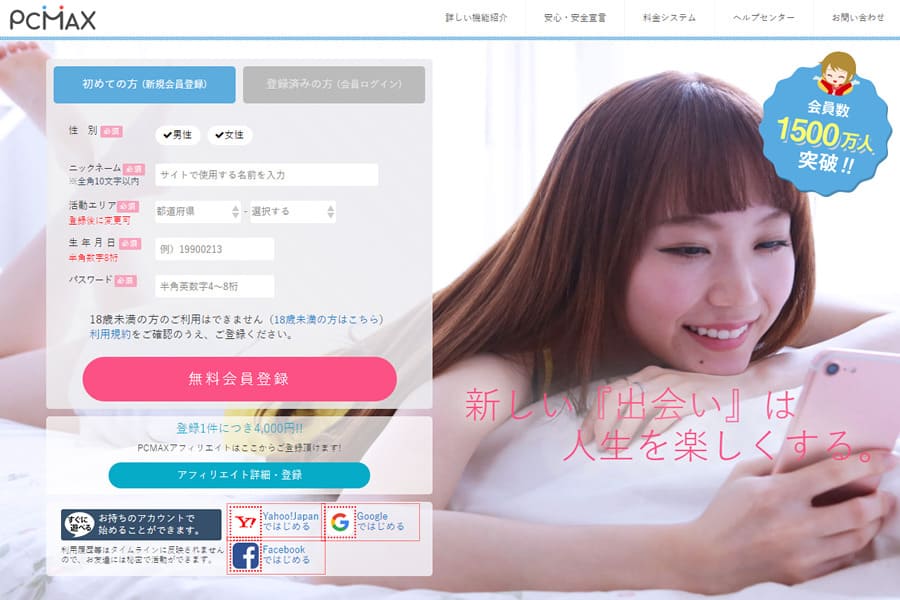
数ある出会い系サイトの中でもNo.1の人気を誇るのが「PCMAX」で、確実に熟女と出会えます。
アクティブユーザー数は日本最多で、女性の利用率も全体の4割を占めています。
そのため、他のマッチングアプリに比べて圧倒的に出会いやすいのが特徴です。
PCMAXは創設から15年以上の歴史を誇る有料老舗サイトであり、「出会い系サイトといえばPCMAX!」とイメージする人も多いでしょう。
今なら初回登録で、無料ポイントが20ポイントもらえます。
出会いを求める熟女とマッチングしやすいように、さまざまなイベントやサービスが設けられています。
サクラや詐欺がほとんどなく、信頼も実績もあるので安定性がとても高いサイトです。
メールする際には、しっかり狙いをつけてからアプローチをかけましょう。
2位:ハッピーメール

ハッピーメールの最大の強みは国内最大規模の会員数です。
会員の母数自体がとても多いので、熟女と出会える可能性もそれだけ高いのです。
女性の目的やニーズ・年齢層も幅広く、「すぐに会ってエッチしたい」という女性から「友達、彼氏を作りたい」など真面目な女性までいます。
そのため、女性との遊びが目的ではない真面目な男性でも利用できますし、何よりメール送信の利用料やコスパが圧倒的に安いのです。
しかも、高いポイントを購入すると特典ポイントがついてくるので、トータルで見て使い勝手ナンバーワンのサイトでしょう。
ただし、注意すべきことがあり、一度退会処理してしまうとそれまでの利用ポイントが全て失われてしまいます。
万が一退会される場合は利用中のポイントを全て使い切ってから退会してください。
3位:華の会メール

第3位は中高年の出会いに特化した出会い系サイト「華の会メール」であり、熟女と確実に出会うことが可能です。
基本的には30歳以上の男女でなければ利用できないので、10代後半~20代の若い男性が利用できないというデメリットはあります。
ハッピーメールに比べて年齢層の間口は狭いものの、熟女に狙いを絞って会いたい中高年の男性にはお誂え向きのサイトです。
会員数の多さでは他の出会い系サイトより少なめではあるものの、その分ターゲット層が明確なので良質な出会いが期待できます。
優良出会い系サイトは若年層が中心なので熟女を探すのにやや難航しますが、華の会メールではそういう煩わしさはほとんどありません。
30代以上の男性で熟女と早く出会ってエッチな関係になりたいという方にはオススメですので、利用してみてください。
4位:ミントC! Jメール

ミントC! Jメールは会員数が600万人を超える上、女性の利用率がとても高いサイトです。
利用料が少し高めなので、収入が高い男女が利用しており、ちょっと贅沢な大人の出会いが期待できます。
ただし、近年はその客層の心理を利用してか、他の有料サイトへの誘導や投資・MLMなどのスパムメールが来ることがあるので気をつけましょう。
少なくとも運営側からそのようなメールが来ることはないので、万が一そういう業者のメールが来た場合は冷静に運営側に通報してください。
運営側もあからさまな業者や詐欺案件に対しては厳正に対処してくれますので、焦らず冷静に対応することが大切です。
業者からの詐欺案件にさえ引っかからなければ、誰しもが安心して利用できますのでおすすめです。
5位:ワクワクメール
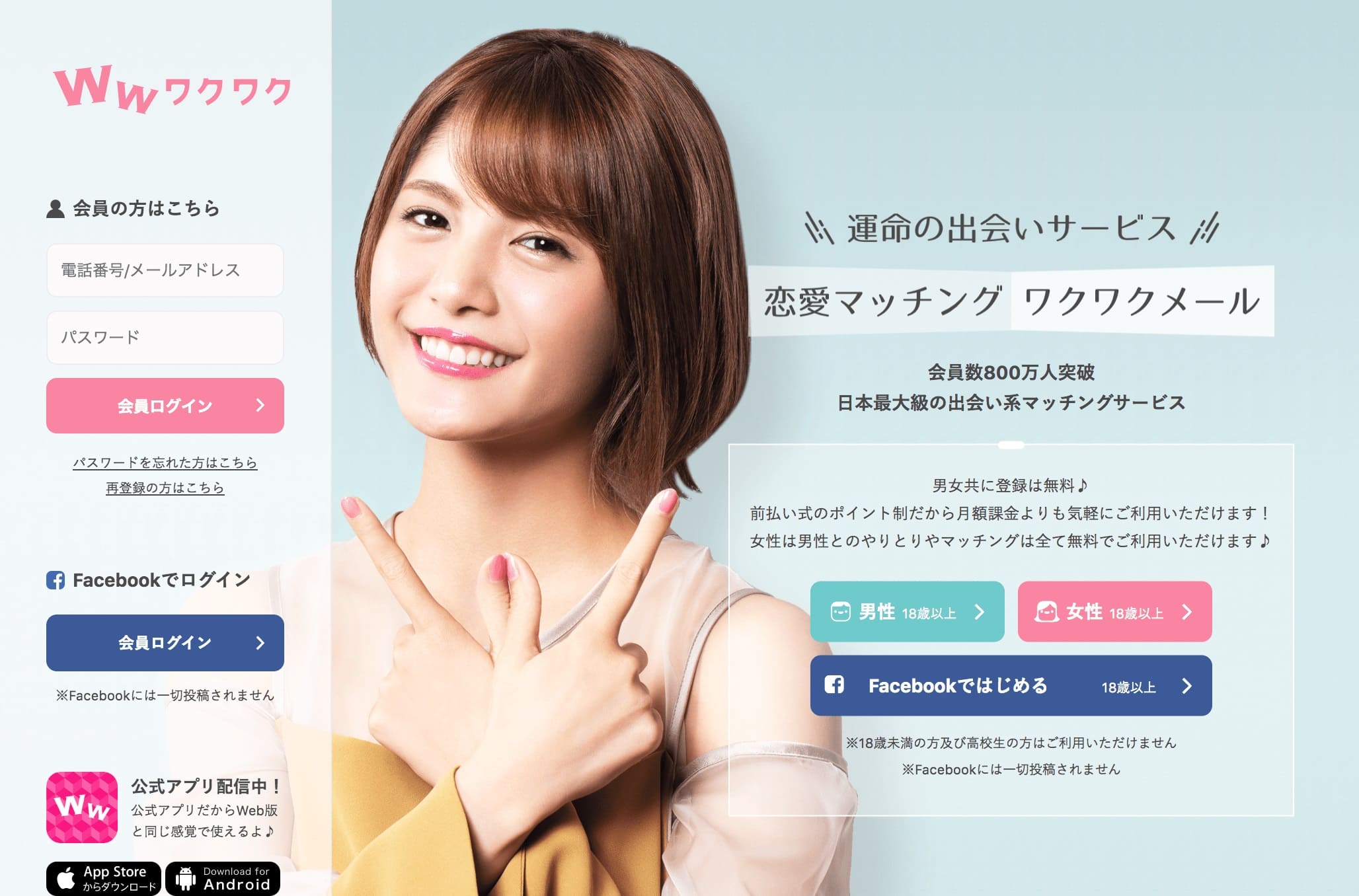
最後はワクワクメールですが、魅力はハッピーメールやPCMAXと並ぶ会員数の多さであり、ポイント還元率も申し分ありません。
母数の多さが出会いやすさにも繋がっており、様々な目的を持った女性がいるので、自分の目的とマッチした熟女を見つけるのも難しくありません。
そして何といっても最大の魅力が「1度退会しても何度でも再登録できる」ことであり、しかも利用ポイントが失われることもないのです。
そのためメールのやり取りが必要な時だけ登録し、そうでない時は退会処分にすることで効率よく熟女と出会いが実現できます。
注意すべき点は援デリ業者が混じっていることですが、その場合は運営側に通報すれば問題はありません。
特にコンプライアンスの観点から業者への取り締まりが厳しくなっていますので、安心してご利用いただけます。
自分にマッチしたサイトで熟女との出会いを楽しもう
ここまでで熟女と確実に出会える優良サイトを5つ紹介しましたが、どのサイトが最適なのかは個人差があります。
ランキング形式で紹介したものの、どのサイトにも長所と短所がそれぞれにあるので、一概にこれがベストだと決められるものではありません。
それぞれのサイトの特徴を比較・検討した上で自分にマッチしているサイトを選び熟女との出会いを楽しんでください。
熟女出会いのためのテクニック
それでは実際に出会い系サイトを通じて熟女と出会うためにはどのようなテクニックが必要なのでしょうか?
1つ目のポイントは相手の女性に対してきちんと礼儀を尽くし、見下したり雑な対応をしたりせず誠実かつ丁寧に対応することです。
熟女は男性との出会いに少なからず「ロマン」「夢」を求めているので、その気持ちを無下にするようなことをしてはなりません。
また、仮に女性の方が年上だったとしても決して下手に出るのではなく、自分の考えや意見もしっかり伝えてください。
優しさだけだと単なる「いい人」で終わってしまうので、時に「強さ」「かっこよさ」も見せる工夫が大切です。
多くの女性が口にする「いい人」とは「都合のいい人」という意味であり、内心物足りなさを感じています。
そう思わせないためにも丁寧かつ誠実に、しかし時には男らしく自分の意見を主張して主導権を握りましょう。
つまり「強さ」と「優しさ」をしっかり演出することが熟女との出会いを成功させるキーワードです。
出会い系サイトで熟女を落とすメールテクニックを紹介
次に具体的なメールのテクニックですが、熟女はしっかりした方が多いので文面にも相応の礼儀作法が求められます。
基本的に口調は敬体(です・ます)で統一し、ちまたにあるような若者言葉やネットスラングなどは使用しないでください。
具体的には「やばい」「エモい」「マジ卍(まんじ)」「バズる」「それな」といった、軽薄な印象を与えかねない言葉です。
絵文字やスタンプ機能なども見知った仲でなければ「軽い男」という印象を与えます。
仮に相手の女性が使用していたとしても、出会うまではどんな人か知らないので男性側は使わないようにしましょう。
また、わざとらしい口説き文句や定型文などもかえって相手の女性に不快感を与えるので避けてください。
話すときのマナーですが、「7割聞き3割話す」を意識し、基本は聞き役に徹することが大事です。
熟女は自分の話を聞いて共感してもらいたいので、きちんと話を聞いてあげるだけでも成功率が格段に上がります。
自分の意見を主張する時も相手から求められた時だけで十分なので、特別なトークスキルは必要ありません。
熟女に好かれる男性の特徴
熟女が好むタイプの男性像は基本的にいくつかのパターンがありますが、基本的には2つのタイプにわかれます。
まずは清潔感があって優しいしっかり者の男性が人気であり、女性に「頼り甲斐のある人」という印象を強く与えるでしょう。
次に好かれるのがその逆のややぶっきらぼうな男性のタイプであり、女性に「私が構ってあげなきゃ」という気持ちにさせます。
共通しているのは「素直さ」であり、嘘をつかず自分に正直な優しい男性を熟女は好む傾向にあるようです。
また、共通の趣味やプライベートの話題などがあると、女性としても親近感を持ちやすく距離を縮めやすいのではないでしょうか。
そういう他愛ない話を盛り上げて関係性を丁寧に積み重ねていくと、いとも簡単にセックスまで持って行けます。
逆にわざとらしいナンパのような口説き文句は熟女には通用しないので、とにかく素直に優しく対応することを心がけましょう。
熟女に限らずどんな女性に対しても丁寧に接することこそが出会いを成功させるカギです。
熟女が実際に使っているサイトとは?
一言で「熟女」と言ってもいろんな女性がいますが、多くの女性はスマホやiPhoneの操作が苦手で、ネット文化にあまり慣れていません。
目的を明確に定めて利用している人よりも「人気があるサイトだから」「雑誌や広告などに出てくるから」という理由で登録・利用している女性が多いのです。
そのため母数が多い優良サイトほど熟女の登録数も多くなり、出会える確率もそれだけ高くなります。
女性は深層心理の部分でなるべくリスクを避け、安心して出会い系サイトを利用したいのです。
本記事で大手の優良出会い系サイトを推奨しているのはそういう女性の心理が大きく絡んでいます。
逆にいえば、そういう女性の心理を把握していれば、男性側も女性と出会う確率が格段に上がるでしょう。
熟女との出会いの基本はまず「情報収集」にあることを心得ておいてください。
なぜ熟女は出会い系サイトを使うのか?
熟女が出会い系サイトを通じて男性と関係を持ちたがるのには様々な理由があります。
まず1つ目が「年齢」の問題であり、熟女は性欲と経験こそ豊富であるものの「若さ」で勝負できません。
やはりほとんどの男性は「若い女の子とエッチしたい」という潜在的な欲求があるので、熟女との出会いは二の次です。
また、繰り返しになりますが、職場や習い事など実生活での出会いとなると浮気・不倫が露見するリスクが上がります。
出会い系サイトであればネットを経由して出会うので個人情報が漏洩することはほとんどありません。
メールアドレスなども捨てアドを事前に作っておき、用済みの場合は捨ててしまえばメールの履歴が残ることはないでしょう。
すなわち個人情報漏洩のリスクを回避しつつ、無駄なく効率よく熟女と出会えるというメリットがあります。
男性達にとってだけでなく、女性達にとっても大手の出会い系サイトを利用する理由がきちんとあるのです。
限りなくゼロに近いリスクで最大限の効果が得られることがわかれば、それを利用しない手はありません。
熟女出会いの専門サイトを使ってない理由とは
ネットには「熟女出会いの専門サイト」と呼ばれるものがあり、大手の出会い系サイト以外にも多数の出会い系サイト・掲示板があります。
しかし、多くの熟女がそういう専門サイトではなく大手の出会い系サイトを使う理由はやはり「リスク回避」です。
ネット上にある熟女専門のサイトや掲示板などは熟女狙いの業者も多く、管理体制も大手ほどしっかりしていません。
そのため詐欺案件があちこちで横行している上、仮に出会えたとしても詐欺被害に遭う熟女も少なからずいるのです。
大手の優良サイトはそうした業者や詐欺案件に対して厳しく対応するので、安全に利用できます。
また、いざ家族にバレそうになった時には退会処理の手続きさえ済ませてしまえば履歴が残ることもないのです。
そういった理由により、ネットにある熟女専門サイトより大手の出会い系サイトを使う女性が多いのです。
まとめ
今回の記事では、熟女と確実に出会いセックスする方法について、体験談も交えながら細かく解説してきました。
大事なポイントはいくつかありますが、大まかに以下の2点に集約されます。
- 大手の優良出会い系サイトを有効に使うことで熟女と確実に出会える
- メールの文面や会った時の対応はとにかく「丁寧に優しく」を心がける
この2点をしっかり守って想定されるリスクを慎重に避けながら、出会い系サイトを有効に活用しましょう。
そうすれば、熟女と出会える確率は格段に上がり、最高のセックスを体験するのは夢ではありません。
最初はうまく行かなかったとしても、原因を分析して反省を次に生かせば成功率は自然に上がります。
是非とも本記事を参考にして素敵な熟女との出会いを実現してください。
